
First of all, this blog site is all about narcissism. What do attachment styles have to do with narcissism? Well, as we know, narcissists are all about themselves. Oftentimes a narcissistic parent can be neglectful, overbearing, or alternate between the two within a nanosecond. Their behavior is unpredictable, so we never know what to expect. They have unrealistic expectations and think of their children as an extension of themselves, therefore treating them as tools. They will act like they love us one minute when they want something, and the next, punish us for wanting/needing emotional connection or not being good enough, i.e. not meeting their needs. Because of this, there’s a good chance that we, children of narc parents, have developed an Insecure Attachment Style, and may or may not even realize it!

Insecure attachment styles can make our mere existence exhausting, depressing, and debilitating. Unless we identify our attachment style and intentionally address it, it can have long term devastating effects that permeate all of our relationships. The good news is, regardless of our attachment style, it is possible to develop a healthy, secure attachment style. Recognition and acknowledgement are the first steps. So, let’s become self-aware!
What’s Wrong With Me?!
When we regularly feel negative emotions like depression, anxiety and panic attacks, but don’t know why and don’t understand what’s causing them, it can be very distressing and send us spiraling downward into a dark place. We might feel like we’re different from everyone else, or isolated. Sometimes we can even feel as though we’re going crazy! Our thoughts might sound like, Is what I’m feeling about this situation normal? Would other people feel the way I do? What is wrong with me? Why can’t I respond like other people do? Why do things bother me more than they do my friends? Will I ever NOT have anxiety? Will I ever feel peace? It would be easier to not exist.

Please know that there’s always a reason for our emotions – good or bad. It might be medical or it might be psychological. Knowing the cause is the first step in feeling better, and that isn’t always easy to do. But when we have a better understanding of what’s bringing about these feelings we can take steps to eliminate them.
It could be that you have an insecure attachment style. Read on to learn about what insecure attachment styles are, how to identify them, how they impact you, and what you can do to change them!
What is an Attachment Style?
An attachment style refers to the way we relate to other people, and how we form relationships with others, family, friends, and romantic partners. Our style is developed based on the quality of the bond we had with our primary caregivers.
The Attachment Style theory has been around since the 1960s when John Bowlby, a psychoanalyst who studied the effects of separation between infants and their parents, and his colleague, Mary Ainsworth, developed it. “Bowlby believed that the earliest bonds formed by children with their caregivers have a tremendous impact that continues throughout life.”

In 2010 Amir Levine, psychiatrist and neuroscientist at Columbia University and his psychiatrist friend, Rachel Heller teamed up to write the book, “Attached: The New Science of Adult Attachment and How It Can Help you Find – and Keep – Love,” which repopularized the theory.
What Are the Four Attachment Styles and Their Basic Characteristics?

Secure Attachment
The child is brought up in a warm, nurturing environment where the caregivers show predictable behavior and are responsive to the emotional needs of the child. The child is taught indirectly that his or her emotions and needs will be recognized, that he or she will be supported and loved, and that people, in general, can be trusted. The child feels valued, safe and supported in their play and exploration, The caregiver is there for the child.
Insecure Attachment Styles
a. Anxious-Ambivalent (Preoccupied): This affects an estimated 7% – 15% of children in the US. It occurs as the result of poor parent availability, or when the caregiver has an inconsistent parenting pattern. Sometimes the caregiver is responsive to the emotions and needs of the child, and sometimes they are not. Children cannot depend on their primary caregiver to be there when they need them.
b. Avoidant (Dismissive): Children with this style seem to have no preference between a primary caregiver and a complete stranger. This could be as a result of abuse and/or neglect. Caregivers are emotionally distant, back up when the child shows a need for closeness, and do not tolerate displays of emotion. When a child is punished for relying on their caregiver they avoid seeking help.
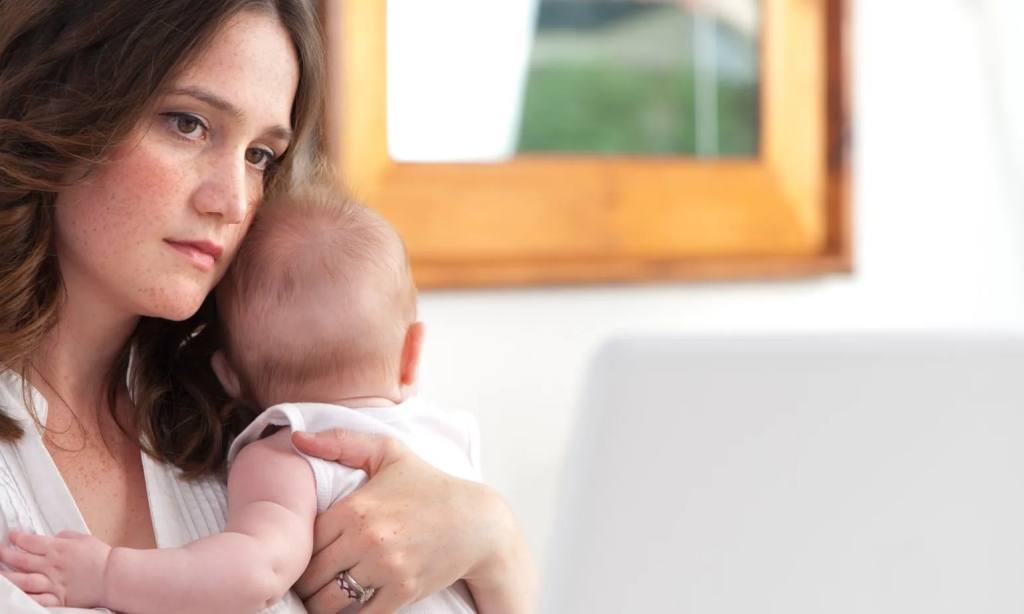
c. Disorganized (Fearful Avoidant): This happens when the caregiver shows highly contrasting, inconsistent, unpredictable behavior. The child fears the caregiver due to a traumatic experience involving the attachment figure, for example verbal, emotional, physical or sexual abuse. The child cannot trust the caregiver and cannot adapt to the caregiver’s behavior because it’s unpredictable. The child never knows what’s coming next. The primary caregiver, who should be the source of dependent comfort and safety, yet also is the source of fear. These children display a confusing mix of behavior; seeming disoriented, dazed and confused.
How Do Attachment Styles Affect Us in Adulthood?
Secure Attachment:
As you probably predicted, adults with a secure attachment style have a positive view of themselves, others, and their childhood. They are able to regulate their emotions, and can bond, open up to, and trust others. People with attachment style feel comfortable alone as well as with others. They are goal oriented, have a sense of purpose in their lives, and feel they can make an impact. In addition, they can communicate their needs, and give as well as accept emotional support.
Insecure Attachment Styles
- Anxious- Ambivalent (Preoccupied): As stated before, those who have experienced physical or psychological abuse or early separation from a primary caregiver are prone to this attachment style. The Attachment Project offers encouragement saying that this type of attachment style is fairly common and is NOT a mental illness, nor is it something to be overly concerned about. However, it can cause you distress and affect relationships, so may, at some point, need to be addressed.
Adults with Anxious-Ambivalent Attachment Style might display the following:
- Have high regard for others, yet have low self-esteem
- They’re sensitive and attuned to their partners needs, but anxious about expressing their own needs and question their value within the relationship
- If rejected by loved ones, they take the blame and feel they’re unworthy
- A need for consistent reassurance within a relationship that they are loved, worthy and good enough
- A strong fear of abandonment causing intense jealousy or suspicion of their romantic partners
- Become desperate, clingy, preoccupied with their relationships, and fear being alone (and are sometimes incapable of being alone)
- Highly emotionally dependent on their partners. Have a great need for intimacy and closeness. Their partner’s presence might be enough to remedy their fears/emotional needs

Although this attachment style is common and the least worrisome, it can cause anxiety, stress, and unhappiness. Fear of being alone or abandoned leads to constant doubt and worry. However, the presence of the partner seems to be the remedy.
People with this attachment style can benefit from self-reflection. Observing and recognizing one’s own behaviors, interactions, and patterns is the first step to healing. Analyzing and making sense of one’s childhood is also an essential step. Knowing that the past doesn’t have to predict the future is paramount, and helps to break habits and patterns.
- Avoidant-Dismissive: Adults with this attachment style, in contrast to those with Anxious-Ambivalent Attachment Style, generally feel good about themselves, are fun to be around, and have lots of friends and/or sexual partners. They’re independent, have high self-esteem, and rarely feel alone or lonely. They do not look to others for emotional support.
The problem is, bonds with others remain shallow. People with this attachment style will allow others to get only so close, therefore those in relationships with a person who has this attachment style never reach the level of intimacy it takes to have a strong, healthy partnership, because as soon as things start getting serious, they close you off. They’ll find reasons to distance themselves from you. They believe emotional closeness is not necessary.

It’s not their fault, though. They learned early on that their primary caregiver could not be relied on for emotional support. When they sought it out, it was not there, so they stopped expecting it from others, as if they’ve “turned off a switch.” And just because they look confident on the outside, it doesn’t mean they’re not suffering. It’s not that they don’t want to be in an intimate relationship, it’s that they don’t know how. This can be painful for them, and those who want to be in a relationship with them.
These individuals can benefit from self-reflection; thinking about what they feel, what they want, and the action steps they can take to not only start letting people in, but expressing their own emotional needs.
- Disorganized (Fearful-Avoidant): Just like the name implies, adults with a Disorganized Attachment Style lack a coherent approach to relationships. There is a lot of inner conflict occurring. On one hand they desire closeness, a sense of belonging, and to be loved, yet on the other, they are afraid to let anyone in for fear that those closest to them will hurt them.
According the The Attachment Project
These adults expect and are waiting for the rejection, disappointment, and hurt to come. In their perception, it is inevitable.
Because their primary caregiver was unpredictable, they now view their partner the same way. Because of this, they either self-sabotage (do things to end the relationship before their partner hurts them), or they begin to act as if the relationship is ending – in a way that fulfills their expectations, which causes it to end. A self-fulfilling prophecy. In addition, people with this attachment style might also create a self-fulfilling prophecy by choosing partners that induce fear, confirming that they can’t trust people emotionally.

People with Disorganized Attachment Style are at higher risk of developing mental health issues such as substance abuse, or delinquent/aggressive behavior. They sometimes abuse their own children.
Living with a Disorganized Attachment Style is not easy. It can cause a lot of distress and confusion, and can harm your relationships causing you to lose someone you want present in your life. Partners of those with this attachment style face many challenges due to the unpredictability, suspicion, and lack of trust.
The biggest issue people with this attachment style face is the fear that someone they trust will hurt or abandon them. This makes sense since this is exactly what happened to them with their primary caregiver. The easy way out is to never trust anyone, but that leads to a lonely, unfulfilled life. The first step to healing is to learn to trust others. To healthy individuals this might not sound difficult, but to someone with a Disorganized Attachment Style it is quite challenging and evokes intense anxiety. It’s best to be easy on one’s self, take it slowly, and start sharing your emotions in a safe environment, either with a therapist or trusted friend who is non-judging, calm, accepting, and predictable.
According to The Attachment Project, a Secure Attachment style can be achieved even if you currently have one of the Insecure Attachment Styles.
Read and Listen to Everything You Can
One thing you can do right away is to Google whatever resonates with you and educate yourself. Listen to YouTube videos that strike a chord with you. If anything, you’ll realize you’re NOT alone, and that itself will make you feel just a little bit better.

If you were brought up in a dysfunctional home, most likely your anxiety and/or depression is rooted in your childhood programming, even though it happened a long time ago, and even if you don’t fully understand how the two are connected.
Check out the references at the bottom of the page to better understand attachment styles and get yourself moving in the right direction!!
Sometimes stories can help even more than information because you get real life examples. If you’re interested in checking out my own personal experiences due to my Insecure Attachment Style, click here: (not yet written – in the works!)
As always, remember that you are worthy, and you are loved.
If you feel comfortable, please leave your comments below. I’d love to hear your thoughts! Can you relate to this article?
For more information about the characteristics, traits and behaviors of narcissism and its effects, please read some of my other articles below!
- Flying Monkeys, Smear Campaigns, and the Narcissistic Dance
- Gaslighting. What is it Anyway?
- Happy….errr….Crappy Holidays!
- Is There a Narcissist in My Life?
- Love Bombing
- My Story and My Mission
- Narcissistic Partners. Why Do We Stay?
- Narcissists Make You Sick. Literally!
- The Grip of the Narcissist: Do We Want to Be Freed?
- Welcome to Crazy Town! The Narcissistic Abuse Cycle Explained
References:
Columbia University Department of Psychology
Borderline Moms & Daughters; Dr. Kim Sage
Betrayal Trauma & Betrayal Blindness; Dr. Kim Sage
Mama Trauma 8 Signs; Dr. Kim Sage
 The Narc Narc
Leave a comment